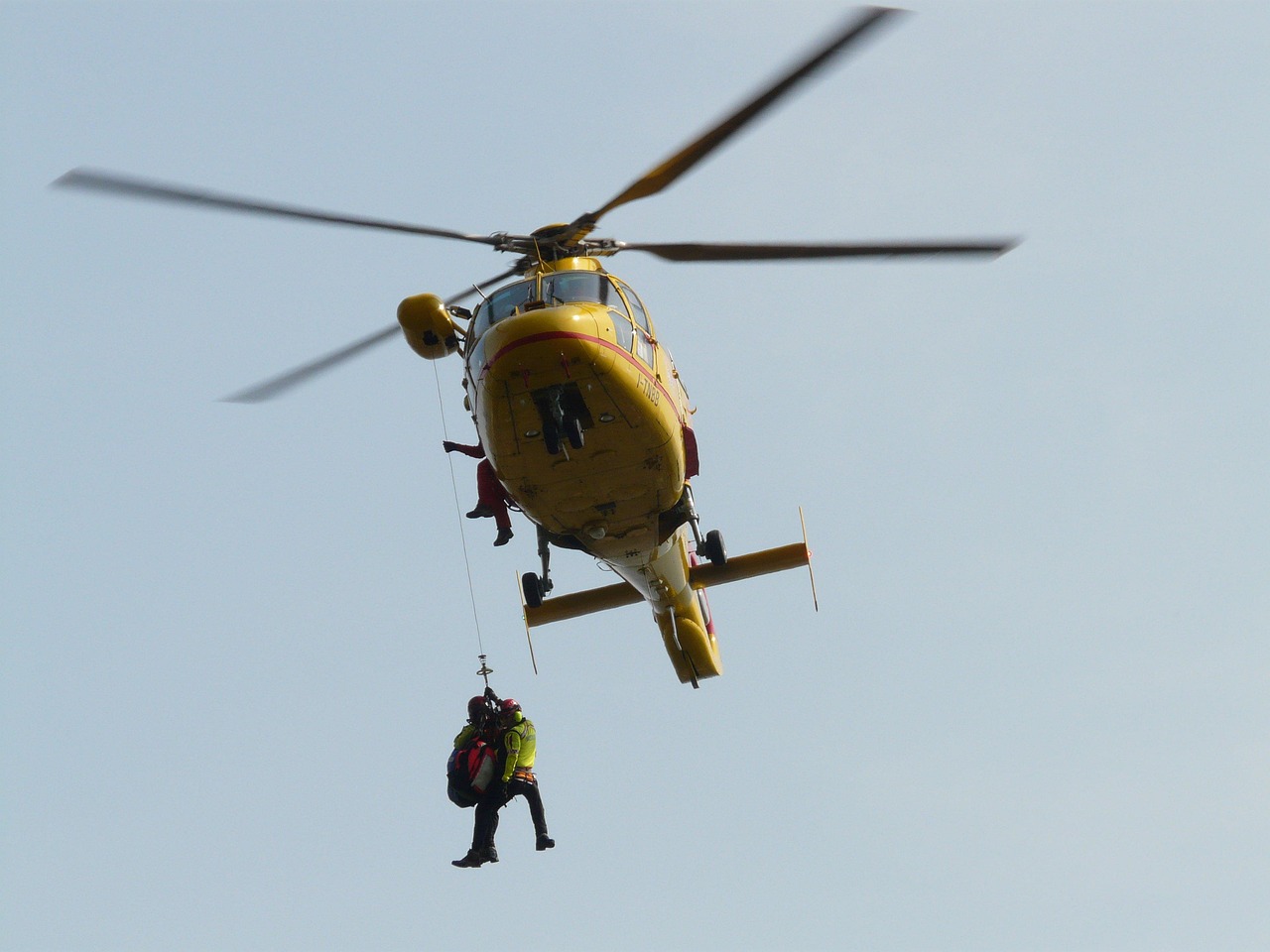
Remote and outdoor workforces run a long method from aid, in every sense. When something goes wrong on a ranch track, a forestry block, a wind farm, a rail hallway or a construction site 2 hours from the local hospital, there is no fast backup. Your group is the response.
That reality modifications how you ought to think of first aid training. Traditional 1 or 2 day class courses, instructed in city offices, still have their place. But also for several employers, express first aid courses and fast CPR training are what make regular, trustworthy training practical. If individuals can not save a full day off the work, they usually wind up with no training at all.
I have trained outdoor workers that silently admitted they had actually refrained from doing any first aid or CPR courses for 8 to ten years, just since they might not justify shedding a day of productivity. As soon as their manager changed to express first aid training, presence jumped, and the overall standard of response in drills enhanced within a solitary season.
The aim is not to tick a compliance box. The objective is for the very first person on scene to act with speed, calmness, and capability, even in extreme environments. Express first aid, when developed well, can support that.
Why remote and exterior workforces require a different first aid mindset
If you run a metropolitan workplace, a lot of medical emergencies get an expert rescue reaction within minutes. For a group working in remote or sturdy surface, the time from injury to innovative treatment might be an hour or more. Those added mins alter everything.
In remote and outside settings, you frequently deal with a mix of variables. There may be limited interactions, long stretcher carries, poor climate, and improvisated equipment. Risks are additionally various. Quad rollovers in farming, power saw injuries in forestry, drops from height in construction, and cold water immersion in seaside job all appear more often than urban heart attacks at the printer.
In my experience, 3 changes in thinking make the biggest distinction for remote teams.
First, the basic first aid course web content must be adapted to the actual field dangers. Rural and outside workers need more environmental emergency training, even more scenario exercise with restricted gear, and more focus on improvisation.
Second, workers must expect to supply take care of longer. That implies more powerful fundamental life assistance abilities, not simply a quick review of CPR and defibrillation. Care for bleeding, breathing, and shock can quickly extend to 30 to 60 minutes before rescue arrives.
Third, training has to be frequent sufficient and sensible sufficient that people do not freeze or neglect. This is where express first aid courses and fast first aid training confirm valuable. Short, concentrated sessions delivered more frequently tend to stick better than a huge block of material supplied as soon as every couple of years.
What "express" really implies in first aid and CPR training
The term express first aid course gets made use of loosely. Often it implies a strong, compressed program that values time without reducing corners. Other times, it is bit more than a hurried lecture for a certificate theoretically. The distinction is in just how the course is structured and what is required before and after the class session.
A well created express first aid or express cpr course normally does 3 things.
It moves background concept to self paced learning. Students complete online modules prior to they get here. They cover lawful duties, fundamental anatomy, and vital concepts at their own speed. This indicates the one-on-one time can concentrate on functional work.
It narrows the emphasis to the abilities most relevant to the employees. For remote and outdoor staffs, that implies heavy focus on handling blood loss, cracks, spinal issues, hypothermia, heat health problem, asthma, anaphylaxis, and CPR. Much less time is spent on low risk, low influence conditions.
It requires analysis that demonstrates skills, not just presence. A fast first aid course can childcare first aid training - Fast First Aid & CPR legitimately award a first aid certificate if individuals reveal, under some pressure, that they can perform essential skills to basic. Short does not need to imply superficial.
By contrast, be cautious of fast first aid courses or fast cpr courses that guarantee certification with nearly no useful evaluation, or no opportunity to exercise abilities on manikins, or no scenarios that reflect your work environment. Fast certification is eye-catching, but if the training does not stand up under anxiety, it can create false confidence.
The core abilities that can not be compromised
Express first aid courses live or pass away by what they keep, not what they cut. For remote and exterior workers, certain skills are non flexible, even in fast first aid courses or fast cpr refresher courses.
At a minimum, any type of express first aid training for these environments should leave people skilled in the adhering to collection of skills.
They has to have the ability to run a quick scene study and key analysis. That consists of danger sign in vibrant environments, calling for assistance early, and prioritising life threats prior to second injuries.
They should fit with first aid and cpr as a consolidated feedback. That indicates reliable breast compressions, rescue breaths where proper, risk-free use of an AED, and turning in between rescuers to minimize exhaustion throughout prolonged CPR. Many express cpr courses focus on city cases where rescue action fasts. For remote workers, express cpr training must prepare for longer efforts.
They should take care of significant bleeding with direct stress, stress dressings, and, where suitable and legal, tourniquets and haemostatic dressings. Forestry and construction sites particularly see injuries where blood loss is the critical factor.
They should stabilise suspected spine injuries on unequal ground with really limited gear. In a real occurrence, you seldom have a full paramedic set. A fast first aid course that educates people to improvise with jackets, ropes, and knapsacks is more valuable than one that just teaches textbook techniques.
They should identify ecological hazards swiftly. Hypothermia, hyperthermia, warm stroke, dehydration, and lightning threat behave extremely in different ways in remote surface than they carry out in community. Outdoor employees require greater than a passing slide on these topics.
Once these structures are in location, express first aid courses can layer in allergic reactions, asthma, diabetes mellitus, seizures, small injury care, and various other constant concerns. For some groups, particularly those handling youngsters in exterior education and learning or country childcare, express childcare first aid courses likewise require modules on choking, febrile convulsions, and paediatric CPR ratios.
Express childcare first aid for outdoor settings
Many childcare workers and teachers are currently leading children into woodlands, farm brows through, exterior education camps, and nature play programs. The dangers are various to a classroom. Kids roam, climb, react strongly to insect stings, and come to be hypothermic or dehydrated faster than adults.
An express child care first aid course that mirrors a typical classroom program misses out on that fact. Express childcare first aid training for exterior settings should cover three added dimensions.
First, paediatric first aid and cpr practice need to make up genuine surface. Rescuers usually try youngster CPR on barbecue tables, damp ground, or confined vehicle seats. Training has to give personnel time to attempt CPR on kid and baby manikins in these unpleasant positions, not simply on a level tidy floor.
Second, an express child care first aid program requires a more powerful focus on allergy and asthma administration in the area. That indicates practical drills with adrenaline vehicle injectors, spacer tools, and inhalers, and sensible scenarios where one adult manages multiple distressed youngsters at once.
Third, the course must speak about group management under anxiety. In every actual occurrence I have actually assessed that involved youngsters outdoors, there was at the very least someone doing first aid and a single person shepherding or soothing the rest of the team. Training that thinks a single child and a single adult ignores just how childcare actually works.

Providers that offer express childcare first aid courses tailored to outside programs are still a minority. When you look for an express childcare first aid course near me, ask particularly regarding environmental and paediatric content that mirrors your activities. A generic program may not take care of that nuance.
Making express courses benefit remote rosters
A big benefit of express first aid courses is scheduling versatility. Remote and outside work commonly runs on lineups, shift patterns, and seasonal peaks that do not match a regular service week. A traditional 2 day first aid course can wipe out an essential job home window, specifically at harvest, lambing, wet period prep work, or mid project.
I have seen 3 versions function particularly well.
Some companies run brief express first aid and cpr courses at change transition factors. Teams coming off a rotation stay on an extra half day to complete practical training, after finishing on the internet material while on website during low threat periods.
Others divided fast first aid training into modules throughout a number of weeks. Workers finish a two or 3 hour express cpr course initially, then a different half day concentrated on injury administration, after that a final session for environmental and clinical concerns. This fits around altering weather condition and field conditions.
A third strategy makes use of a combined version where a nucleus obtains advanced fap first aid training, while the larger workforce completes much shorter express first aid and fast cpr refresher course sessions. The core group works as lead responders, however every person has enough ability to act if they are initially on scene.
However you create it, the secret is predictability. Remote workers are made use of to lengthy drives, tiredness, and changing strategies. If express first aid courses are arranged carelessly, attendance and retention suffer. A foreseeable rotation, such as a fast first aid course every 12 months and a short express cpr refresher at the 6 month mark, maintains abilities alive without frustrating the roster.
What to try to find in an express first aid provider
If you type fast first aid course near me into an internet search engine, you will certainly see a mix of large nationwide companies, niche outdoor professionals, and common training stores. The appropriate companion for a remote or outside workforce is not always the cheapest or the closest. Practical experience in similar settings matters more.
When analyzing carriers, I suggest you use a short, concentrated list instead of rely on marketing language.
1) Validate that the trainer has genuine field experience. Ask whether they have operated in remote feedback, search and rescue, outside education, or similar locations. In my observation, fitness instructors that have actually treated people in tough surface instruct really in a different way, with more focus on improvisation and scene management.
2) Examine the structure of the express first aid course. Seek blended understanding, reasonable scenario time, and clear evaluation standards. Ask the number of participants will be in each course. Quality hands on technique is difficult to supply in huge groups, specifically for first aid and cpr course content.
3) Evaluation the specific components. Does the course address your threats, such as equipment entrapment, water rescue, elevation, or pet handling? Does their fast cpr and first aid program allow for exercise with the precise AED design and first aid sets you use?
4) Validate the certification. Make sure the first aid certificate fulfills your regulative demands and industry standards. Some areas specify web content and duration for first aid courses and first aid and cpr training classes. A course that is also brief, without appropriate pre discovering, might not be recognised.
5) Ask about refresher courses and comply with up. Good providers construct in options for fast cpr correspondence course sessions or brief toolbox talks months later on. Ability degeneration is a real issue. You want a partner that sees training as a cycle, not a solitary event.
A quick pre course discussion with the fitness instructor often informs you more than a shiny pamphlet. Pay attention for sensible, specific solutions as opposed to generic claims.
Here is a simple listing you can adapt when evaluating alternatives:
- Does the carrier tailor web content to your real workplace and risks? How much hands on time, per person, is allocated to CPR and key first aid skills? What online or pre course knowing is anticipated, and exactly how is it assessed? Is the trainer experienced with remote, outdoor, or high risk job settings? How will certainly they aid you intend future refreshers and express first aid courses?
Balancing rate, top quality, and lawful requirements
One of one of the most usual concerns I learn through managers is whether a fast first aid course or express cpr training will satisfy regulators. The honest answer is that it relies on your jurisdiction, your industry, and the framework of the course.
Most regulators focus much less on for how long the class runs and much more on whether the required subjects are covered to a specified standard. That is where blended understanding is available in. If a first aid and cpr course needs, as an example, 8 hours of complete guideline, a carrier could legally provide 4 hours of on the internet modules and a 4 hour express first aid useful, instead of a full day in a classroom.
Problems arise when fast certification is delivered without that depth. A two hour class without any pre knowing, no analysis, and very little method may not meet lawful limits for first aid training, even if the certificate states or else. As the company, you lug responsibility for choosing courses that satisfy standards.
There is also a danger of over correcting. Some safety managers, melted by weak short courses, firmly insist that every employee attend long, generic programs that cover a large spectrum of low relevance content. The result is frequently inadequate engagement. Workers entrust a certificate but vague recall of vital skills.
An effective balance for remote and exterior teams appears like this. Most of personnel hltaid012 near me - fastfirstaidcpr.com.au full concentrated, fast first aid courses that directly address top dangers and build strong fundamental life assistance abilities. A smaller cadre full more advanced first aid training, with longer in person time and circumstance based assessment. Together, they develop a layered action system on site.
Integrating express first aid into your wider security system
Training on its own does not save lives. It needs to rest within a wider system that consists of tools, treatments, communications, and culture. Express first aid courses for remote employees work best when they are incorporated into that system, not bolted on in the nick of time to please compliance.
A reliable method often tends to comply with a short collection of steps:
- Map your leading incident threats and worst reputable circumstances for each and every site or project. Match those dangers to certain first aid and cpr skills, tools, and interaction needs. Choose express first aid courses and first aid and cpr training classes that clearly cover those skills in reasonable scenarios. Equip teams with packages, AEDs, and interaction tools that straighten with what they were trained to use. Rehearse action strategies via quick, normal drills that mirror your training and improve your procedures.
When you run drills after training, gaps come to be visible swiftly. Perhaps the express cpr course showed right pad placement, but workers discover their AED is stored also far onsite first aid instructor from high danger zones. Perhaps first aid and cpr course scenarios thought trustworthy mobile protection, while in truth you depend on satellite phones and radios. These understandings just arise when training and practice are very closely linked.
Over time, lots of organisations move from responsive, certificate based training to an elder design where express first aid, fast cpr, and circumstance drills become part of a recurring rhythm. Individuals quit asking, "When is my following course due?" and start asking, "When are we following practicing that rescue circumstance from the south platform?"
A brief situation instance from area practice
Several years ago, I collaborated with a renewable resource firm building turbines in a remote, windy corridor. The nearest rescue base was about 90 mins away on excellent roads. Early in the task, the business sent out each team to a basic metropolitan first aid course. The course covered office injuries broadly, but there was virtually no method in harnesses, poor weather condition, or on irregular ground. When we ran a joint workout with local emergency solutions, the gaps were obvious.
After that exercise, the business redesigned its method. They involved a company experienced in exterior and industrial rescue to supply express first aid courses on website. Employees completed on the internet modules during downtime in camp, then participated in a 4 hour practical that occurred on actual wind turbine platforms, gravel access roadways, and in vehicles. Fast cpr training used the very same AED versions set up across the website. Situations involved wind, noise, and the unpleasant angles they would encounter if a person fell down at height.
They likewise presented short fast cpr refresher course sessions at the beginning of regular monthly safety and security meetings. These 20 minute refresher courses concentrated only on compressions, AED use, and group communication. Within a year, when a specialist endured a major heart occasion in a staging area, the response was fast, worked with, and certain. CPR was started within a minute, the AED was used in approximately 3 mins, and handover to paramedics occurred with a clear verbal report that reflected their training.
No training program guarantees an end result, but the distinction between their initial exercise which actual case was raw. The useful, customized, express first aid training clearly paid off.
Final ideas for decision makers
If you are in charge of the safety of remote or exterior employees, your first aid strategy deserves as much thought as your harnesses, guards, or lockout procedures. Time and accessibility restrictions are real, yet they do not need to stop robust first aid training.
Express first aid courses, express cpr courses, and express childcare first aid programs can supply high criteria in much shorter blocks when they are effectively made and integrated. Fast first aid and cpr training classes function best when they:
Respect the truths of your lineups and sites.
Focus above effect risks and vital skills.

Use combined finding out to secure hands on technique time.
Support regular refresher courses so skills stay alive.
Your workers may never ever need to deal with a severe injury or perform CPR midway up a hillside or beside a river going across. If they do, they will certainly not care for how long their course ran. They will care that, under stress, their hands and voice recognize what to do. Well selected express first aid courses can aid them reach that point, without pulling them out of the area longer than necessary.